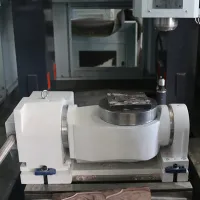
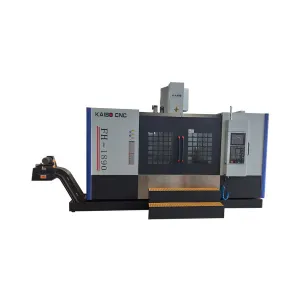
In the realm of modern manufacturing, 3/4/5 axis vertical machining centers (VMCs) represent the cornerstone of precision engineering and efficient production. As a high-tech enterprise with over 25 years of experience and the setter of national standards for CNC engraving and milling machines, Ningbo Kaibo CNC Machinery Co., Ltd. presents this professional guide to help B2B procurement professionals establish a clear understanding of these essential machine tools.
Key Insight: The transition from 3-axis to 5-axis machining represents a significant leap in manufacturing capability, enabling more complex geometries, reduced setup times, and enhanced production efficiency. Understanding these differences is critical for making informed procurement decisions that align with your manufacturing requirements.
A vertical machining center is characterized by its vertically oriented spindle, which processes workpieces mounted on a horizontal table. The "axis" designation refers to the number of independent directions in which the cutting tool or workpiece can move:
These machines utilize computer numerical control (CNC) systems to precisely execute machining operations, ensuring consistent accuracy and repeatability across production runs.
| Feature | 3-Axis VMC | 4-Axis VMC | 5-Axis VMC |
|---|---|---|---|
| Axis Configuration | X, Y, Z linear axes | X, Y, Z + 1 rotational axis | X, Y, Z + 2 rotational axes |
| Mechanical Complexity | Simplest | Moderate | Most complex |
| Floor Space Requirement | Compact | Moderate | Largest |
| Programming Complexity | Basic | Intermediate | Advanced |
When evaluating vertical machining centers, procurement professionals often encounter misconceptions that can influence decision-making. Here are key clarifications:
While additional axes provide greater flexibility, they also increase costs, programming complexity, and maintenance requirements. The optimal axis configuration depends on your specific part geometries, production volumes, and long-term manufacturing goals.
While 5-axis machines can reduce setup times for complex parts, they typically have lower metal removal rates compared to dedicated 3-axis machines. For high-volume production of simple parts, multiple 3-axis machines may offer better overall productivity and ROI.
4-axis machining centers provide excellent value for parts requiring rotational machining around a single axis. Many manufacturers find 4-axis machines perfectly suited to their production needs without requiring the additional complexity and cost of 5-axis technology.
Selecting the right vertical machining center requires careful evaluation of multiple factors beyond just the number of axes:
"As a national standard setter for CNC engraving and milling machines, Ningbo Kaibo CNC Machinery Co., Ltd. combines over 25 years of manufacturing expertise with continuous innovation to deliver reliable 3/4/5 axis vertical machining centers. Our global network of 26 sales and service offices ensures that customers receive comprehensive support throughout the machine lifecycle."
Understanding the capabilities and applications of 3/4/5 axis vertical machining centers is fundamental to making informed B2B procurement decisions. By aligning machine capabilities with your manufacturing requirements, you can optimize production efficiency, product quality, and return on investment. As a trusted partner in the industry, Ningbo Kaibo CNC Machinery Co., Ltd. is committed to providing the expertise and support needed to select the right machining solution for your business.

 348
|
348
|
 5-axis shoe last CNC milling machine
DC6070 CNC machine
shoe mold manufacturing equipment
CNC milling machine performance advantages
shoe mold processing efficiency improvement
5-axis shoe last CNC milling machine
DC6070 CNC machine
shoe mold manufacturing equipment
CNC milling machine performance advantages
shoe mold processing efficiency improvement
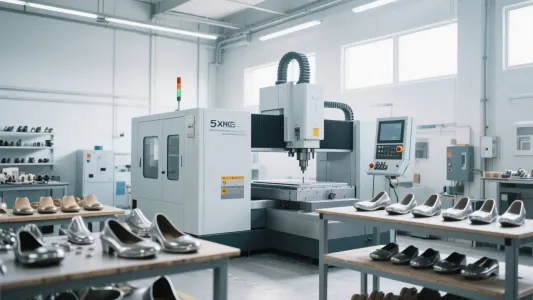 55
|
5-axis CNC shoe last milling machine
DC6060A CNC milling machine
shoe mold processing equipment
Kaibo CNC milling machine
high-efficiency shoe mold manufacturing
55
|
5-axis CNC shoe last milling machine
DC6060A CNC milling machine
shoe mold processing equipment
Kaibo CNC milling machine
high-efficiency shoe mold manufacturing
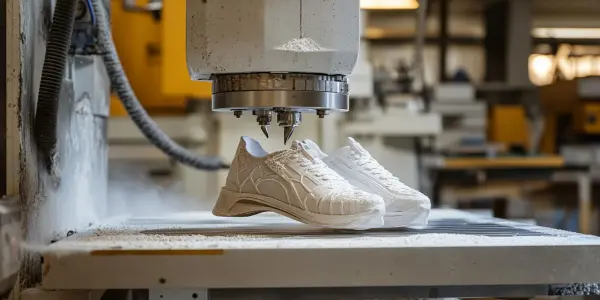 422
|
5-axis shoe last CNC milling machine
DC6070 CNC milling machine
shoe mold manufacturing equipment
CNC 5-axis milling machine
shoe mold CNC machining solution
422
|
5-axis shoe last CNC milling machine
DC6070 CNC milling machine
shoe mold manufacturing equipment
CNC 5-axis milling machine
shoe mold CNC machining solution
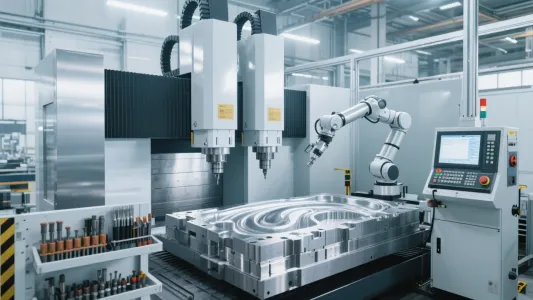 470
|
high-speed CNC milling machine
GJ1317
aerospace mold machining
double-column vertical machining center
high precision machining
470
|
high-speed CNC milling machine
GJ1317
aerospace mold machining
double-column vertical machining center
high precision machining
 471
|
5 axis shoe mold milling machine
shoe mold machining efficiency
DC6060A CNC machine
shoe sole mold processing
precision mold manufacturing
471
|
5 axis shoe mold milling machine
shoe mold machining efficiency
DC6060A CNC machine
shoe sole mold processing
precision mold manufacturing