In modern manufacturing, precision isn't just an advantage—it's a necessity. As industries from aerospace to medical devices demand increasingly complex components, the gap between theoretical accuracy and real-world production consistency grows wider. This is where the concept of process closed-loop management transforms from a technical buzzword into a business imperative.
Many manufacturers fall into the trap of believing that investing in high-end equipment alone guarantees consistent precision. However, industry data tells a different story. A study by the Manufacturing Technology Association found that even with state-of-the-art 5-axis machining centers, 30-40% of quality issues stem from inadequate process control rather than equipment limitations.
"Precision machining is no longer just about the machine's specifications. It's about creating a self-regulating ecosystem where every variable is monitored, analyzed, and adjusted in real time. This is where Kaibo CNC has truly excelled—integrating advanced hardware with intelligent process management," explains Dr. Michael Chen, Senior Manufacturing Engineer at the Precision Machining Institute.
True process closed-loop management addresses the entire manufacturing lifecycle, from pre-production simulation to post-processing inspection, creating a continuous improvement cycle that adapts to changing conditions and material variations.
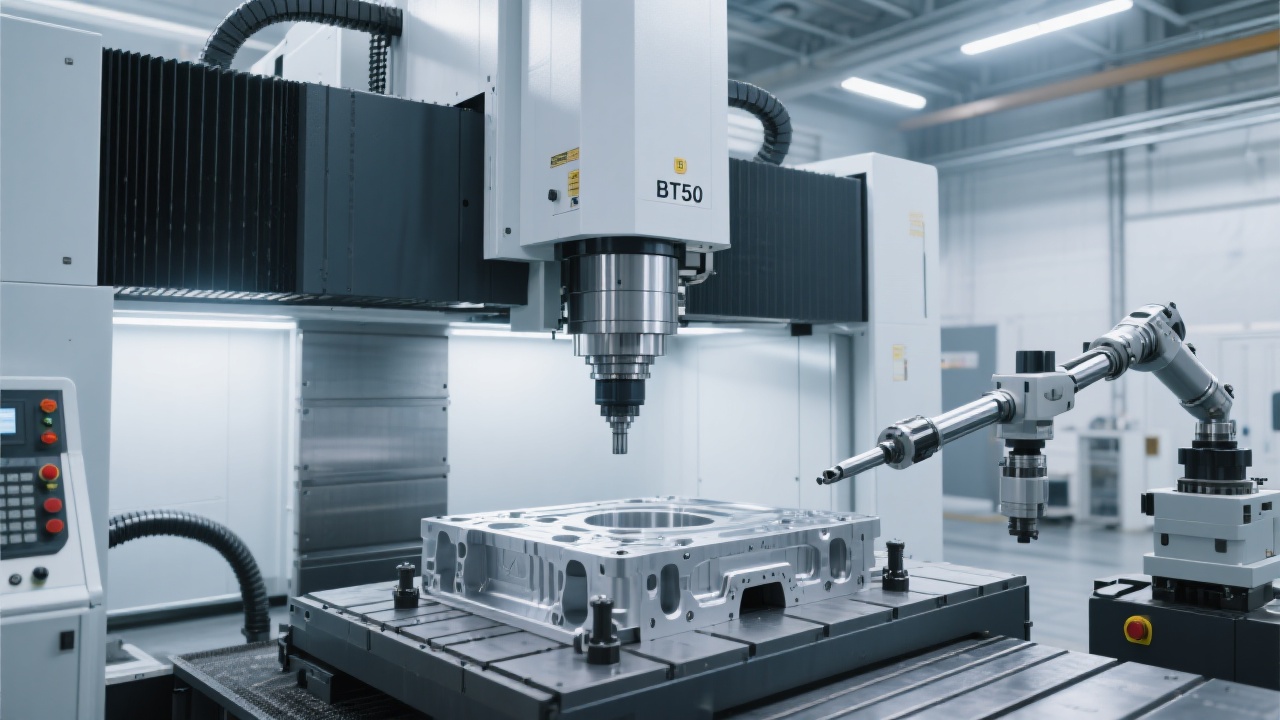
Traditional machining often relies on costly trial-and-error processes, with each physical prototype consuming material, labor, and machine time. Advanced simulation software changes this paradigm by allowing manufacturers to:
Leading manufacturers report that implementing comprehensive simulation protocols reduces first-article inspection failures by an average of 58% and cuts overall production time by 22% for complex components.
Even with perfect programming, environmental and operational variables can significantly impact machining accuracy. Two critical factors require constant monitoring:
Excessive vibration during machining can reduce tool life by up to 50% and create micro-imperfections in finished parts. Optimal vibration parameters typically range between 0.02-0.05 mm/s for precision milling operations.
Implementing adaptive vibration damping systems has been shown to improve surface finish quality by 35% while extending tool life by an average of 42%.
Thermal expansion can cause dimensional variations of up to 0.012mm per meter of material length with just a 1°C temperature change. Maintaining a stable machining environment within ±2°C is critical for tight tolerance work.
Advanced systems now integrate real-time temperature sensors that adjust cutting parameters dynamically, reducing thermal-related errors by up to 68%.
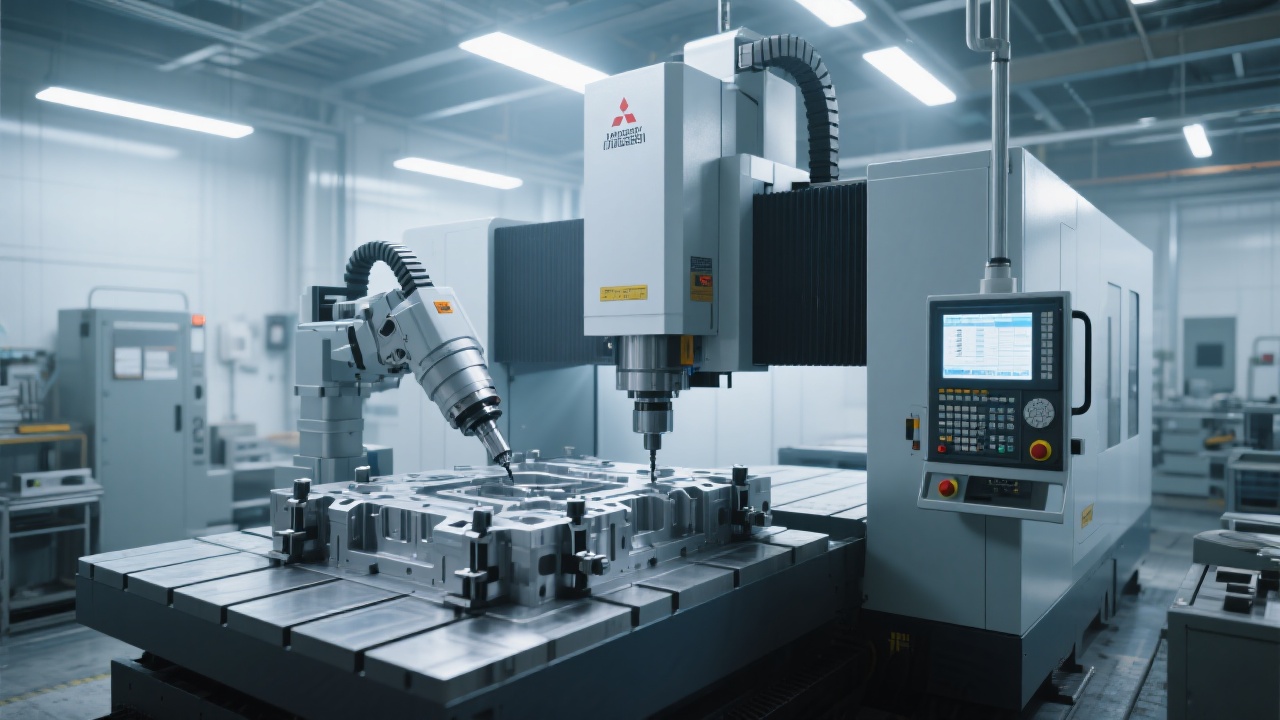
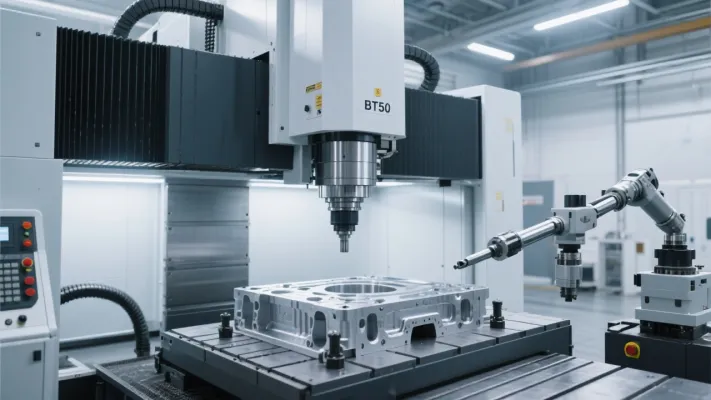
Effective closed-loop management doesn't end when the machine finishes cutting. Comprehensive inspection using Coordinate Measuring Machines (CMM) provides the critical feedback needed to refine processes.
Modern CMM systems can measure complex geometries with accuracies down to 1.5 μm, capturing hundreds of data points in minutes. When integrated with statistical analysis software, this data reveals:
Industry research indicates that manufacturers implementing systematic CMM inspection as part of their closed-loop process reduce scrap rates by an average of 28% and decrease rework by 35%.
The true power of closed-loop manufacturing emerges when disparate data sources are integrated into a unified system. Manufacturing Execution Systems (MES) combined with Programmable Logic Controllers (PLC) create a digital thread connecting all stages of production.
Key performance indicators that become visible through effective MES/PLC integration include: OEE (Overall Equipment Effectiveness) improvements averaging 18-25%, unplanned downtime reduction of 30-40%, and production scheduling accuracy improvements of 25-35%.
By establishing a continuous data collection mechanism, manufacturers transform isolated production events into actionable insights, creating a knowledge base that drives consistent improvement.
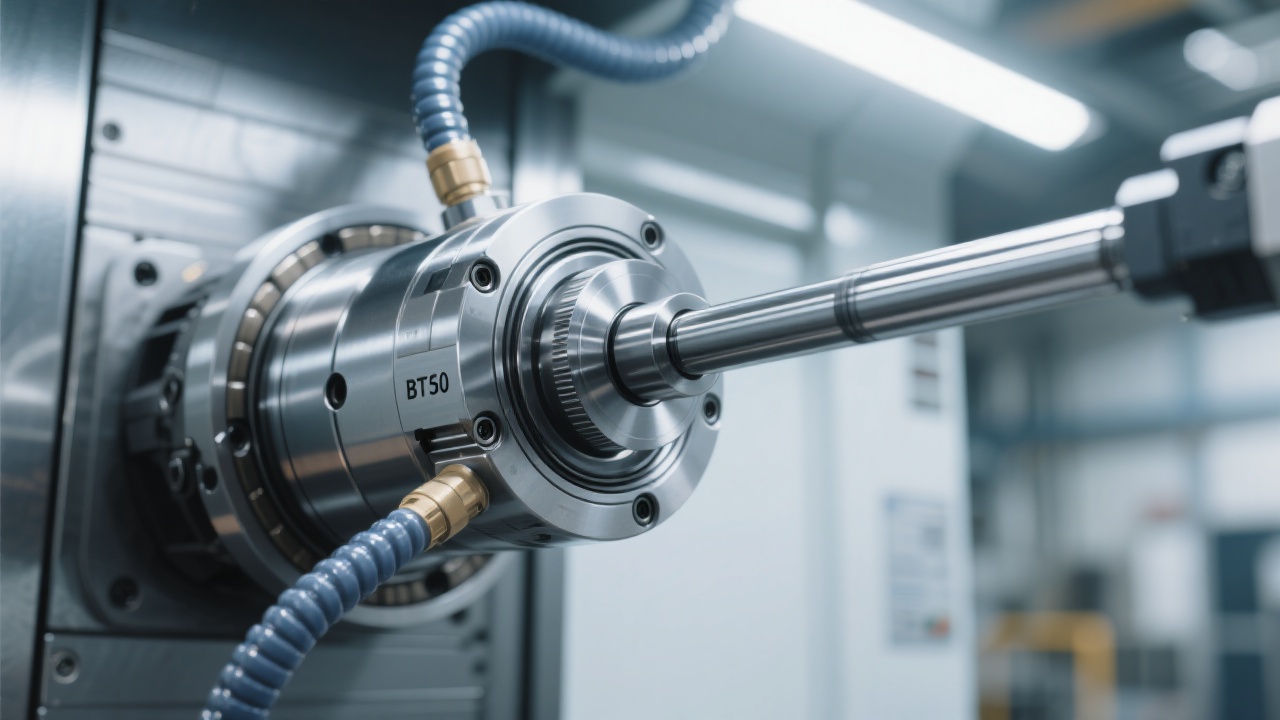
Transforming tribal knowledge into formal Standard Operating Procedures (SOPs) is essential for scaling closed-loop processes. A effective SOP development process includes:
Manufacturers that successfully implement documented SOPs as part of their closed-loop system report 40% faster onboarding of new operators and 33% reduction in process variation.
Ready to transform your precision machining capabilities? Discover how Kaibo CNC's integrated solutions can help you implement a complete process closed-loop system.
Explore Kaibo CNC's 5-Axis Machining Solutions1. What specific challenges has your organization faced in maintaining consistent precision across production runs?
2. How have you historically balanced the cost of inspection versus the cost of quality failures?
3. What data points do you currently collect from your machining processes, and how is this information used to drive improvements?

 41
|
41
|
 DC6060A shoe sole mold milling machine
shoe mold processing efficiency
rotary table milling machine
CNC milling machine
processing time reduction
DC6060A shoe sole mold milling machine
shoe mold processing efficiency
rotary table milling machine
CNC milling machine
processing time reduction
 173
|
five-axis shoe last CNC milling machine
shoe mold precision machining
rotary worktable
shoe mold automation
CNC shoe mold solutions
173
|
five-axis shoe last CNC milling machine
shoe mold precision machining
rotary worktable
shoe mold automation
CNC shoe mold solutions
 348
|
5-axis shoe last CNC milling machine
DC6070 CNC machine
shoe mold manufacturing equipment
CNC milling machine performance advantages
shoe mold processing efficiency improvement
348
|
5-axis shoe last CNC milling machine
DC6070 CNC machine
shoe mold manufacturing equipment
CNC milling machine performance advantages
shoe mold processing efficiency improvement
 39
|
GV2040 CNC Milling Machine
automotive parts manufacturing
double-column CNC mill
high-rigidity machining center
multi-industry production solution
39
|
GV2040 CNC Milling Machine
automotive parts manufacturing
double-column CNC mill
high-rigidity machining center
multi-industry production solution
 194
|
5-axis shoe mold milling machine
shoe mold machining equipment
DC6060A milling machine
shoe mold manufacturing solutions
CNC milling machine selection
194
|
5-axis shoe mold milling machine
shoe mold machining equipment
DC6060A milling machine
shoe mold manufacturing solutions
CNC milling machine selection