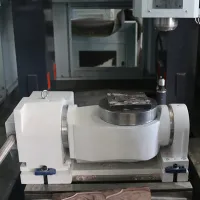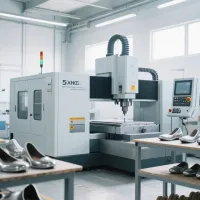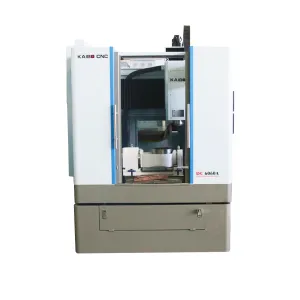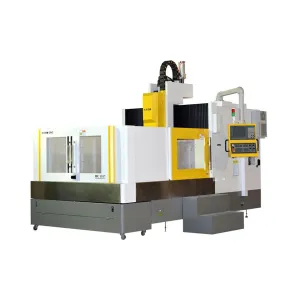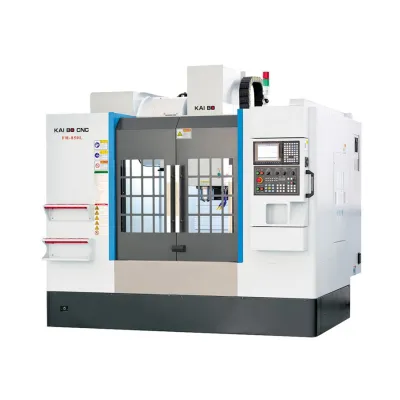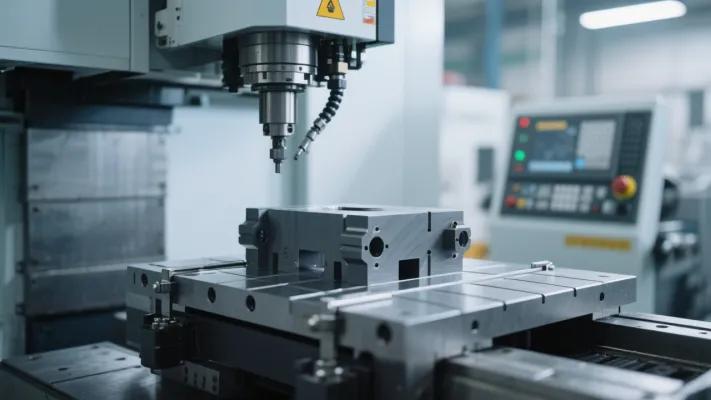
In today's competitive manufacturing landscape, precision isn't just an advantage—it's a necessity. For engineers working with complex components, achieving consistent accuracy across multiple faces can mean the difference between a successful project and costly rework. This guide explores proven techniques to enhance the positioning accuracy of 5-axis vertical machining centers during multi-face milling operations, drawing on real-world applications and technical insights that manufacturing professionals can implement immediately.
Modern manufacturing tolerances continue to shrink, with aerospace and medical components often requiring precision down to ±0.002mm. However, industry studies show that without proper optimization, even high-end 5-axis machines can experience positioning errors averaging 0.015-0.025mm during complex multi-face operations. These errors typically stem from four primary sources: mechanical deflection under cutting forces, thermal expansion effects, tool path inefficiencies, and inadequate fixturing solutions.
Key Industry Insight:
A recent survey of manufacturing facilities revealed that companies implementing comprehensive precision enhancement strategies reduced scrap rates by an average of 32% and increased machine utilization by 18%, directly impacting bottom-line profitability.
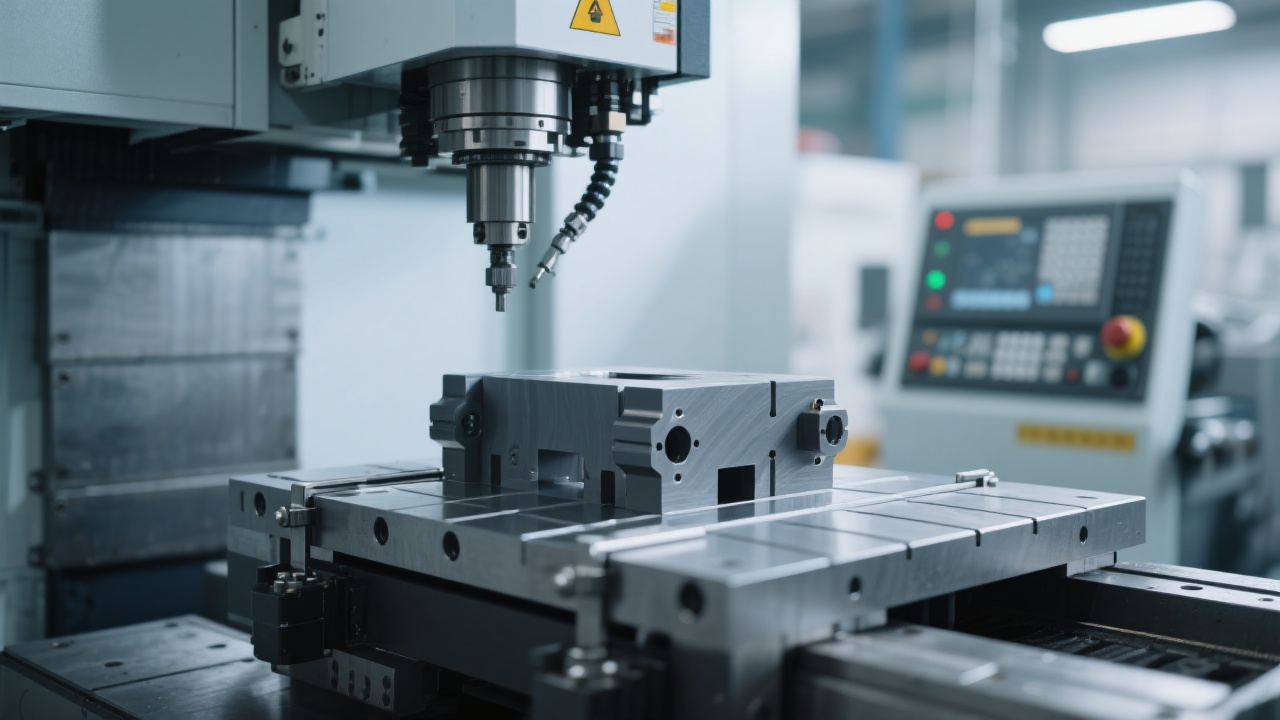
The structural integrity of your machining center directly influences its ability to maintain precision during multi-face operations. 凯博数控 engineers emphasize that optimal rigidity configuration involves three critical elements: enhanced spindle design, reinforced machine base construction, and properly tensioned guideways. Machines with box-type column structures typically exhibit 27% less deflection under heavy cutting loads compared to C-frame designs, making them ideal for multi-face applications where consistent accuracy across all axes is required.
Proper preload adjustment of ball screws is equally crucial. A study conducted by the Manufacturing Technology Association found that precision adjustment of axial preload within 3-5% of optimal values reduced positioning error by an average of 40% during extended machining cycles. This becomes particularly significant when working with hard metals like titanium alloys, where cutting forces can increase deflection tendencies.
Even the most rigid machine will produce suboptimal results with poorly designed tool paths. Advanced CAM software now offers adaptive machining strategies that can reduce cycle times by up to 35% while improving surface finish consistency. The key lies in implementing smooth transition movements between faces, minimizing abrupt axis changes that introduce vibration and positional errors.
| Tool Path Strategy | Positioning Accuracy Improvement | Surface Finish Enhancement |
|---|---|---|
| Constant Engagement Machining | 28% | Ra 0.8→0.4 μm |
| Trochoidal Milling | 22% | Ra 0.9→0.5 μm |
| High-Speed Contour Following | 31% | Ra 1.0→0.3 μm |
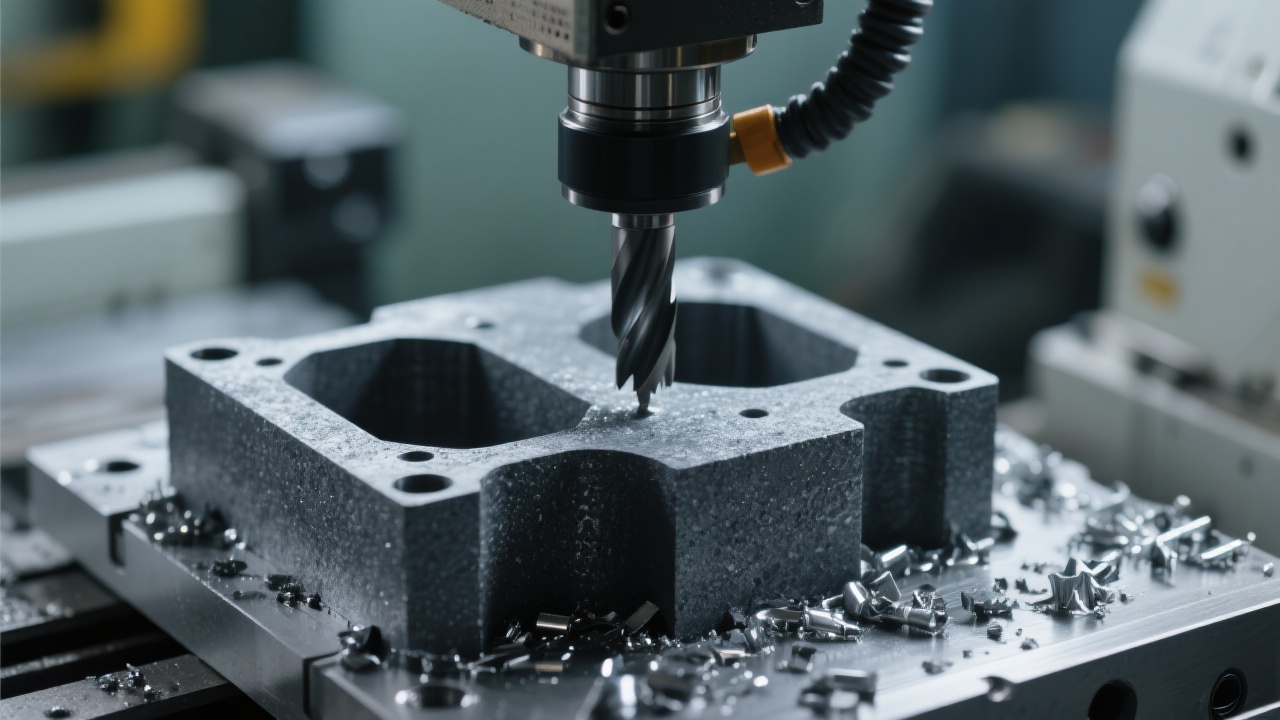
Precision machining begins with stable workpiece positioning. Modular fixturing systems that incorporate quick-change pallet technology can reduce setup times by up to 60% while maintaining repeatability within ±0.003mm. The integration of mechanical or optical zero point systems ensures consistent reference positioning across multiple machining operations, critical for maintaining dimensional accuracy when working across complex part geometries.
Material-specific fixturing considerations are equally important. For example, aluminum components require different clamping force strategies than titanium alloys to prevent workpiece distortion. Engineers should aim for uniform clamping pressure distribution, typically 20-30% of the material's yield strength, to balance security with minimal deformation.
Thermal expansion remains one of the most challenging precision obstacles in multi-face machining. A temperature variation of just 5°C can cause dimensional changes exceeding 0.02mm in a 1000mm workpiece—easily exceeding typical tolerance requirements. Modern CNC systems offer advanced thermal compensation algorithms that can reduce temperature-induced errors by 70-80% when properly configured.
Material-Specific Thermal Strategies:
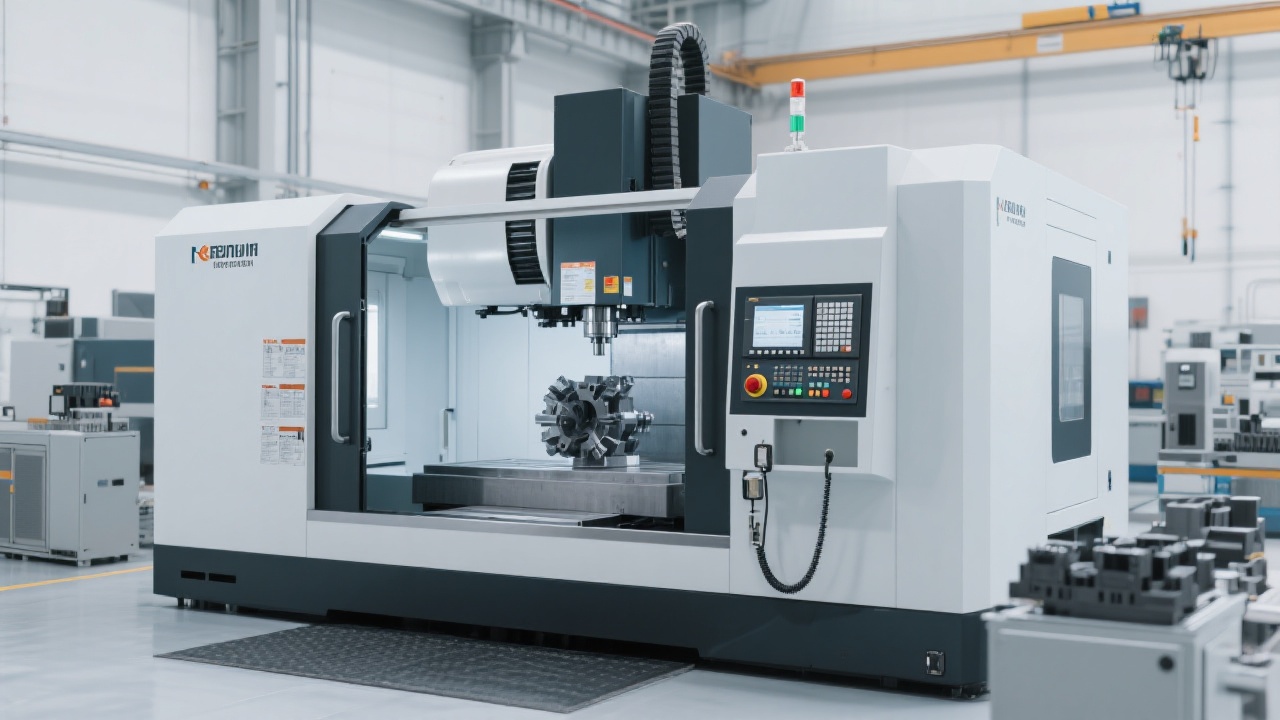
Fine-tuning your CNC system parameters can unlock hidden precision capabilities. Key areas to focus on include: backlash compensation (typically 0.002-0.005mm for high-precision applications), feedforward control gains, and acceleration/deceleration profiles. A systematic approach to parameter optimization, conducted with specialized calibration equipment, can reduce following error by up to 50% during complex contouring operations.
Many manufacturers overlook the importance of regular parameter verification. Establishing a quarterly calibration schedule ensures that your machine maintains optimal performance over time. This becomes especially critical after major maintenance or when switching between significantly different material types or cutting conditions.
Discover how 凯博数控's advanced 5-axis solutions can help you achieve consistent accuracy, reduce scrap rates, and improve overall productivity.
Schedule Your Precision Analysis ConsultationImplementing these precision enhancement techniques requires a systematic approach, combining machine optimization, process control, and material-specific strategies. By addressing each component of the machining system—from the machine structure to the CNC parameters—manufacturing engineers can achieve the consistent accuracy required for today's most demanding multi-face components. The investment in precision pays dividends through reduced scrap, improved throughput, and enhanced competitiveness in the global manufacturing marketplace.

 192
|
192
|
 5-axis sole mold milling machine
DC6060A
shoe mold machining efficiency
rotary worktable
CNC milling stability
5-axis sole mold milling machine
DC6060A
shoe mold machining efficiency
rotary worktable
CNC milling stability
 418
|
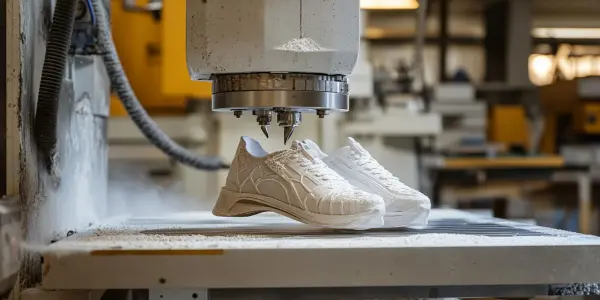
5-axis shoe last CNC milling machine
DC6070 CNC milling machine
shoe mold manufacturing equipment
CNC 5-axis milling machine
shoe mold CNC machining solution
418
|
5-axis shoe last CNC milling machine
DC6070 CNC milling machine
shoe mold manufacturing equipment
CNC 5-axis milling machine
shoe mold CNC machining solution
 470
|
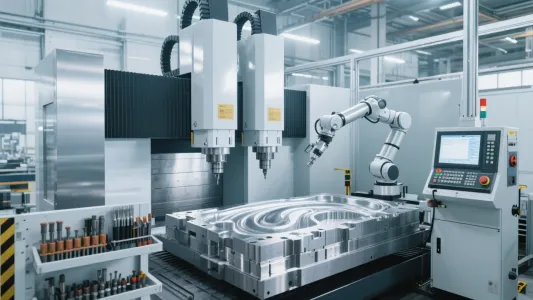
high-speed CNC milling machine
GJ1317
aerospace mold machining
double-column vertical machining center
high precision machining
470
|
high-speed CNC milling machine
GJ1317
aerospace mold machining
double-column vertical machining center
high precision machining
 388
|
5-axis CNC milling machine
shoemold manufacturing equipment
DC6070 CNC machine
shoemold processing efficiency
high precision shoe last milling
297
|
5-axis shoe last CNC milling machine
shoe mold processing equipment
DC6060A CNC milling machine
shoe mold industry intelligence
shoe last processing precision
388
|
5-axis CNC milling machine
shoemold manufacturing equipment
DC6070 CNC machine
shoemold processing efficiency
high precision shoe last milling
297
|
5-axis shoe last CNC milling machine
shoe mold processing equipment
DC6060A CNC milling machine
shoe mold industry intelligence
shoe last processing precision