In today's manufacturing landscape, precision and efficiency are the cornerstones of competitive advantage. For industries ranging from aerospace to mold making, the ability to machine complex components like impellers and multi-faced parts with minimal setup and maximum accuracy can make or break production targets. This is where 5-axis vertical machining centers have revolutionized the manufacturing process, offering capabilities that traditional 3-axis machines simply cannot match.
Complex impellers, with their intricate blade geometries and tight tolerances, have long presented significant machining challenges. Traditional machining methods often require multiple setups, increasing production time by up to 40% and introducing cumulative errors that compromise part quality. According to industry research, aerospace manufacturers alone lose approximately $2.3 billion annually due to inefficiencies in complex part machining processes.
"The average aerospace impeller requires 7-10 separate setups on conventional machines, with each setup introducing potential alignment errors of 0.002-0.005 inches," explains Michael Chen, Senior Applications Engineer at 凯博数控 (Kaibo CNC), a leading provider of advanced machining solutions. "This not only impacts precision but also dramatically increases production time and costs."
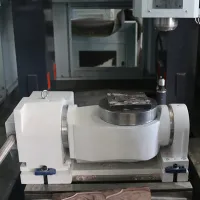
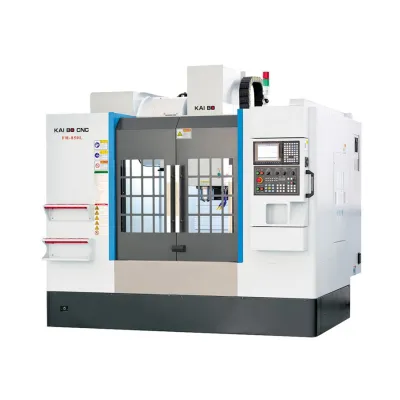
The core advantage of 5-axis vertical machining centers lies in their ability to position the cutting tool at virtually any angle relative to the workpiece in a single setup. This capability eliminates the need for multiple fixturings, reducing setup time by 60-70% while significantly improving machining accuracy. For complex impellers, this translates to:
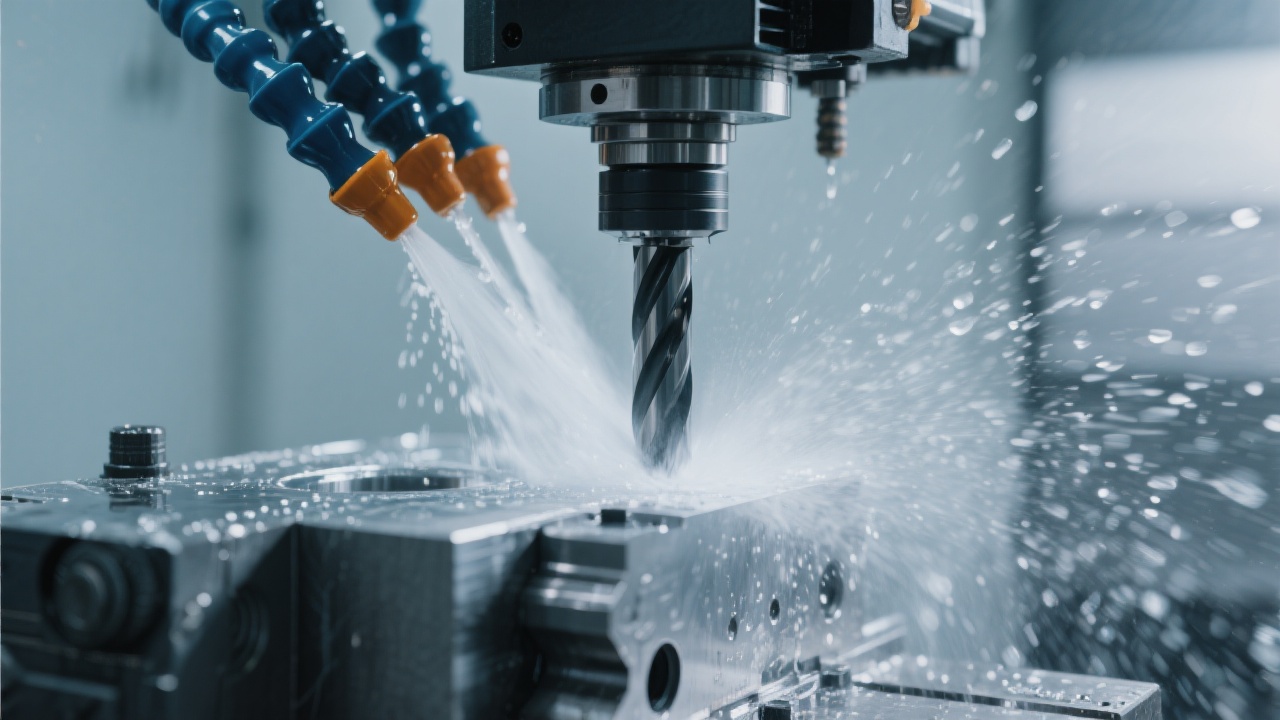
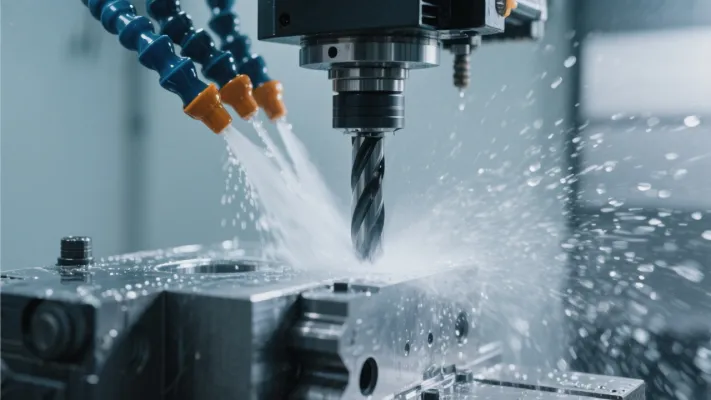
Successful 5-axis machining of complex impellers requires careful tool selection and parameter optimization. Carbide end mills with variable helix designs are recommended for most叶轮(impeller) applications, offering superior chip evacuation and heat dissipation. For titanium and high-temperature alloys common in aerospace applications, coated tools with AlTiN or diamond-like coatings provide extended tool life.
| Material | Tool Type | Cutting Speed (m/min) | Feed Rate (mm/min) |
|---|---|---|---|
| Aluminum Alloys | Carbide End Mill, 3-5 flutes | 150-300 | 1000-3000 |
| Stainless Steel | Coated Carbide, 4 flutes | 80-150 | 500-1500 |
| Titanium Alloys | Cermet or HSS-Co, 2-4 flutes | 30-80 | 200-800 |
Effective path planning is critical to achieving optimal results with 5-axis machining. The goal is to maintain consistent cutting conditions while avoiding collisions between the tool holder and workpiece. For impeller machining, the following strategies have proven most effective:
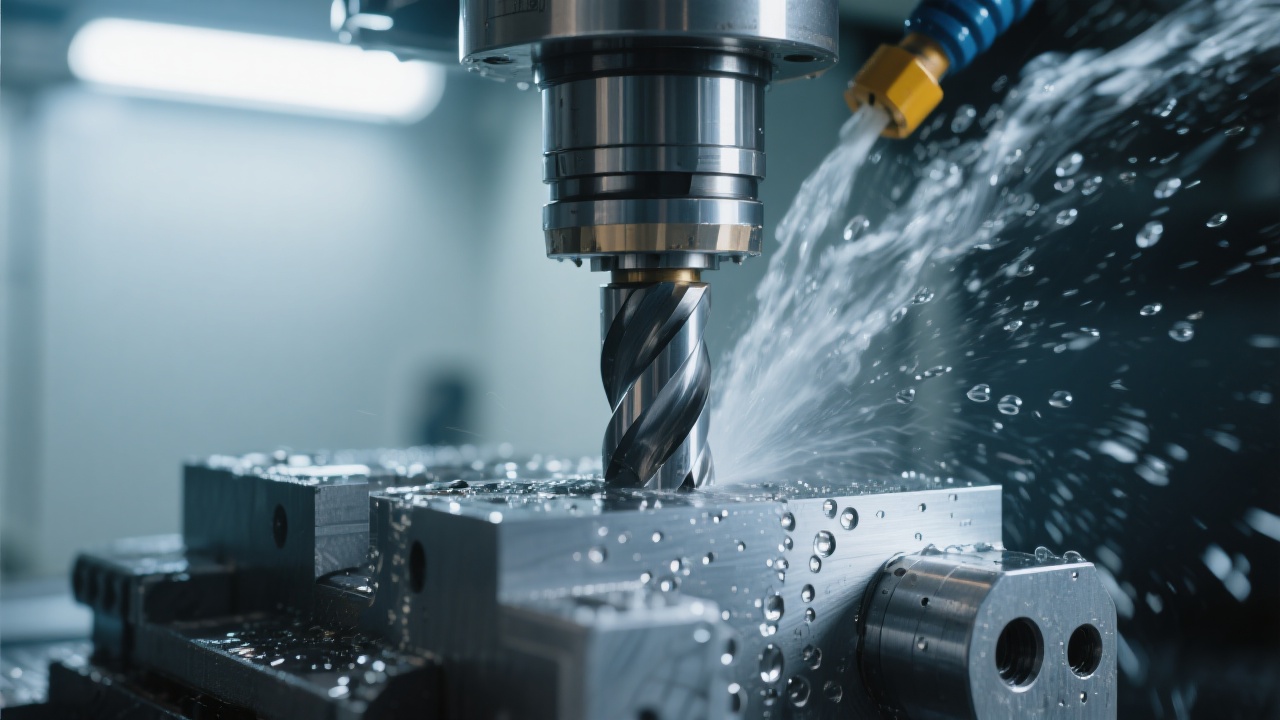
Overcutting remains one of the most common challenges in 5-axis impeller machining. This typically occurs due to incorrect tool length compensation or inadequate collision checking. To mitigate this risk:
Maintaining consistent surface finish across complex impeller geometries requires careful attention to machine dynamics and cutting parameters. Studies show that implementing look-ahead functions in modern CNC controls can reduce surface roughness by up to 35% on complex contours by maintaining constant feed rates through corners.
Additionally, thermal stability plays a crucial role in machining accuracy. Temperature fluctuations as small as 2°C can introduce dimensional errors exceeding 0.01mm on large workpieces. For critical applications, consider implementing:
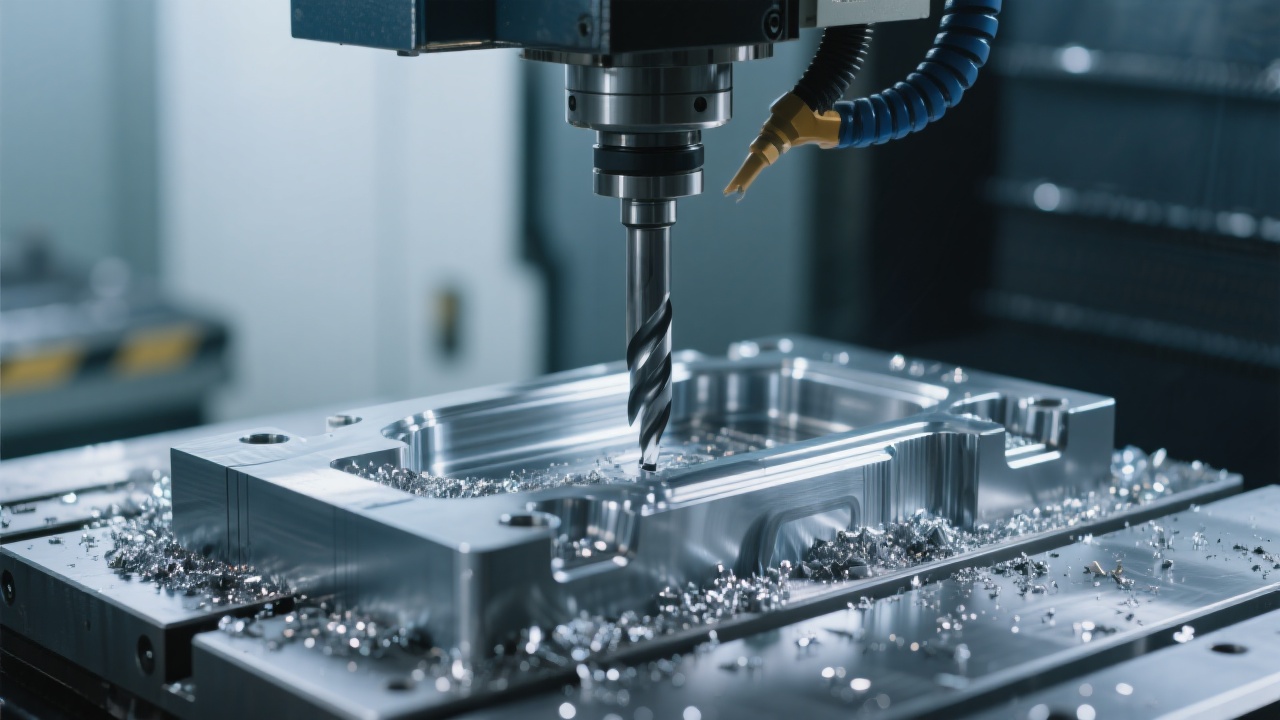
A leading aerospace component manufacturer recently implemented 5-axis technology for impeller production and documented impressive results: setup time reduced from 120 minutes to 25 minutes per part, machining time decreased by 42%, and first-pass yield improved from 76% to 95%. These improvements translated to annual savings of approximately $420,000 for their impeller production line alone.
"The transition to 5-axis machining wasn't just a technology upgrade; it transformed our entire production workflow," notes James Wilson, Manufacturing Engineering Manager at the aerospace firm. "The ability to complete complex impellers in a single setup eliminated our biggest quality bottleneck and significantly improved our production capacity."
Access our comprehensive 5-Axis Impeller Machining Parameter Guide featuring optimized cutting data for over 20 common materials and geometries.
Download Your Free Parameter Guide NowAs manufacturing requirements continue to evolve toward more complex geometries and tighter tolerances, the capabilities of 5-axis vertical machining centers become increasingly indispensable. By implementing the path planning techniques and best practices outlined here, manufacturers can achieve significant improvements in both productivity and part quality.
What specific challenges have you encountered in machining complex impellers or multi-faced parts? How has 5-axis technology transformed your production processes? We'd welcome your insights and experiences in the comments below.

 271
|
271
|
 5-axis shoe mold milling machine
CNC shoe mold processing
shoe mold machining efficiency
DC6060A milling machine
shoe mold manufacturing equipment
5-axis shoe mold milling machine
CNC shoe mold processing
shoe mold machining efficiency
DC6060A milling machine
shoe mold manufacturing equipment
 109
|
5-axis CNC shoe last milling machine
DC6070
footwear mould manufacturing equipment
precision shoe last machining
CNC milling technology
109
|
5-axis CNC shoe last milling machine
DC6070
footwear mould manufacturing equipment
precision shoe last machining
CNC milling technology
 177
|
5-axis vertical machining center
multi-face milling
positioning accuracy
thermal deformation compensation
CNC parameter tuning
177
|
5-axis vertical machining center
multi-face milling
positioning accuracy
thermal deformation compensation
CNC parameter tuning
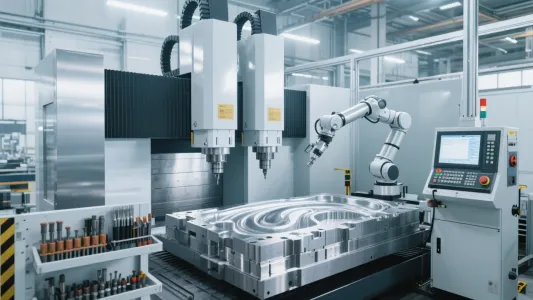 470
|
high-speed CNC milling machine
GJ1317
aerospace mold machining
double-column vertical machining center
high precision machining
470
|
high-speed CNC milling machine
GJ1317
aerospace mold machining
double-column vertical machining center
high precision machining
 388
|
5-axis CNC milling machine
shoemold manufacturing equipment
DC6070 CNC machine
shoemold processing efficiency
high precision shoe last milling
388
|
5-axis CNC milling machine
shoemold manufacturing equipment
DC6070 CNC machine
shoemold processing efficiency
high precision shoe last milling