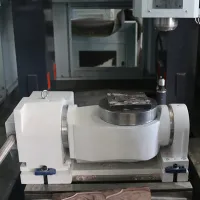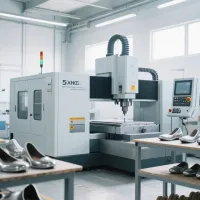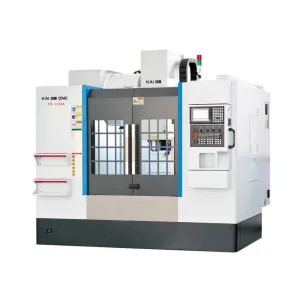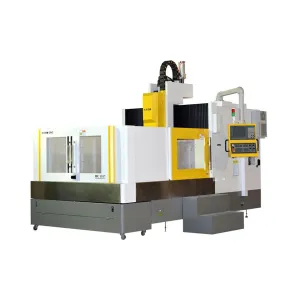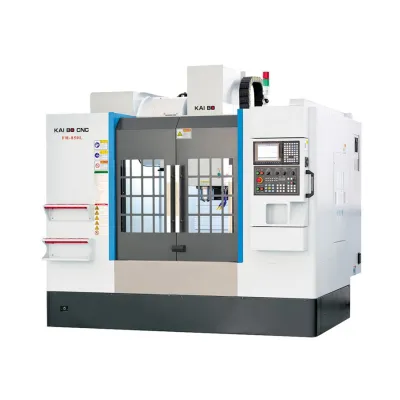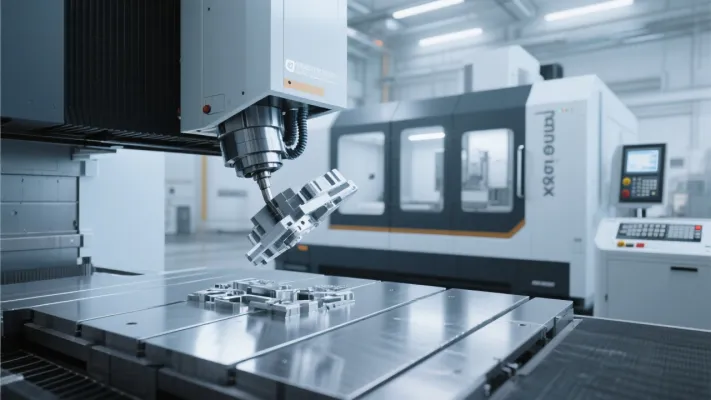
In today's competitive manufacturing landscape, precision and efficiency are no longer optional—they're essential. For mold makers and complex part manufacturers targeting export markets, the difference between meeting international quality standards and falling behind often comes down to your machining capabilities. This is where 5-axis vertical machining centers have revolutionized production workflows, particularly for multi-face complex components.
Traditional 3-axis machining requires multiple setups for complex parts, introducing alignment errors that compromise precision and extend production time. Industry data shows that 5-axis machining reduces setup times by 60-70% compared to conventional methods, while improving part accuracy to within ±0.005mm—critical for export mold components that must meet strict international tolerances.
For export-oriented manufacturers, this translates directly to competitive advantage. A recent study by the Manufacturing Technology Association found that companies implementing 5-axis technology reported 35% faster time-to-market for complex parts and 28% reduction in production costs due to minimized waste and rework.
Engineer Insight: "When machining complex impellers for aerospace clients, we reduced cycle time from 4.5 hours to 1.8 hours after implementing 5-axis technology. The ability to machine undercuts and complex surfaces in a single setup eliminated our biggest quality bottleneck." — Senior Manufacturing Engineer, Precision Components Ltd.
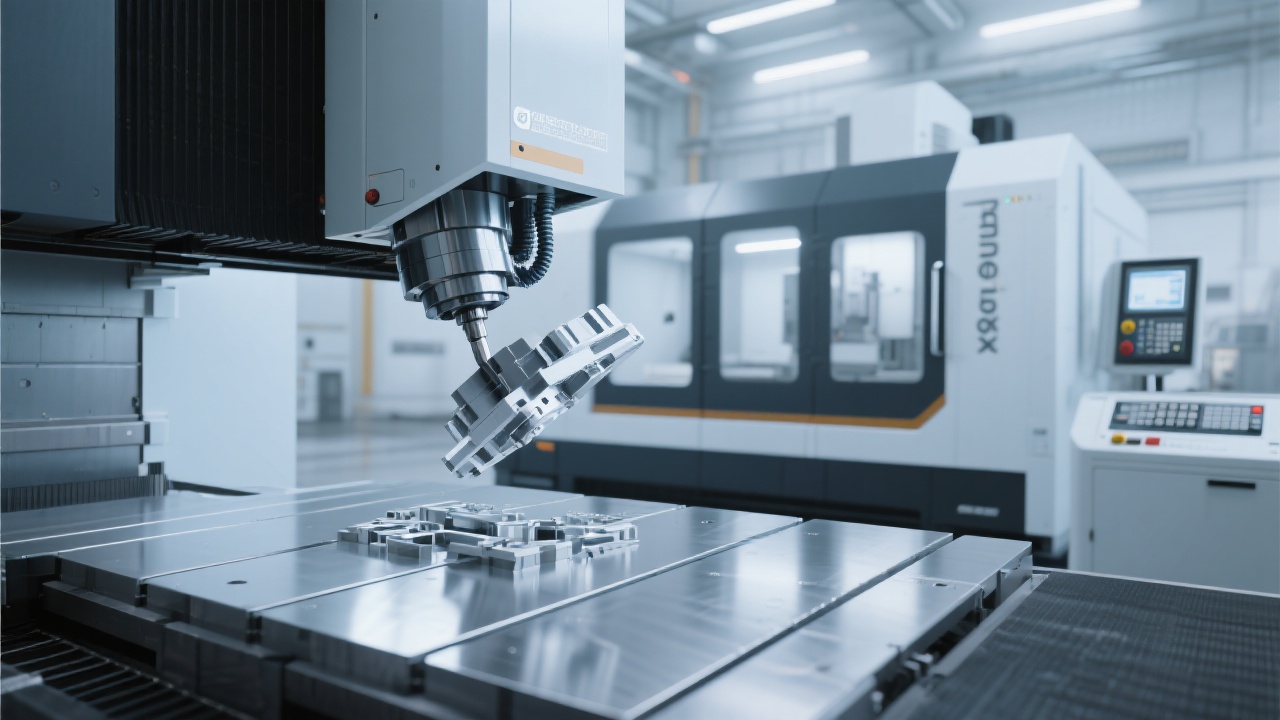
Mold makers face unique challenges with complex cavities and intricate surface details. KaiBo CNC's 5-axis vertical machining centers excel in this domain by maintaining consistent tool contact angles throughout the machining process. When working with hardened tool steels (HRC 50-55), proper tool selection becomes critical:
Impellers represent the ultimate test of 5-axis capabilities with their twisted blades and complex flow paths. Successful impeller machining requires:
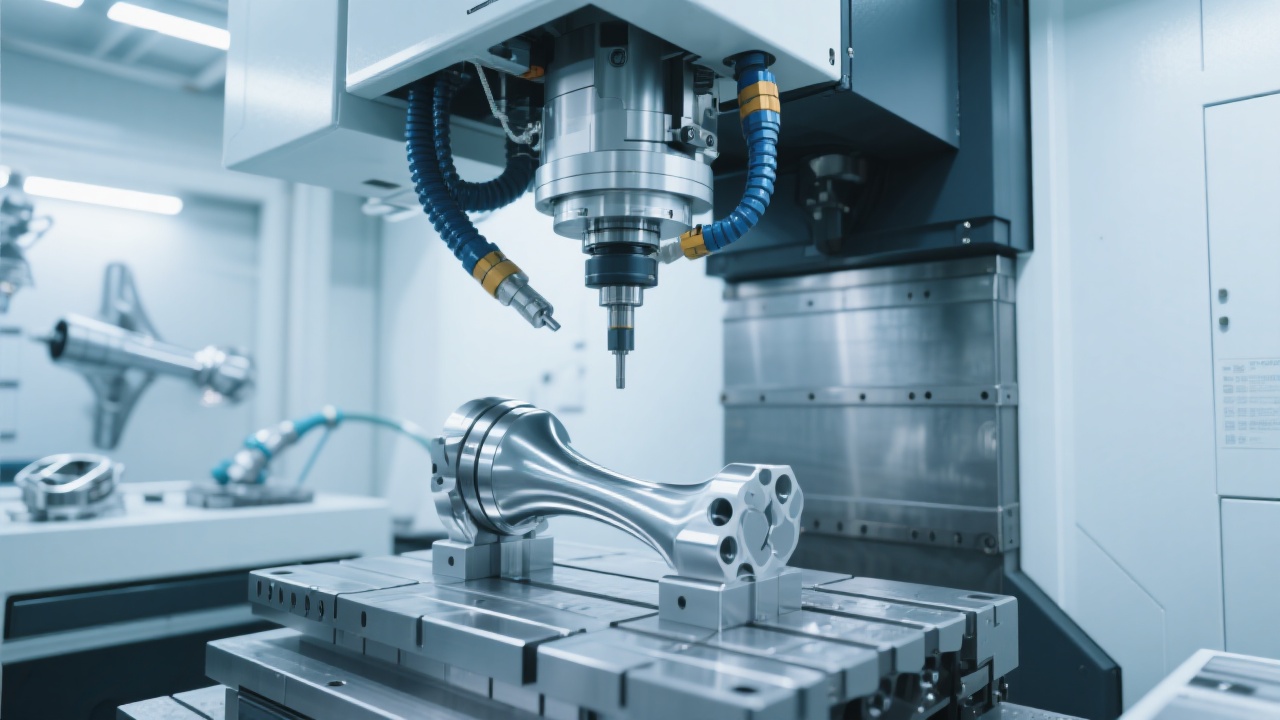
Overcutting remains a primary concern in 5-axis operations. To prevent this:
Implement multi-level verification: first in CAM software, then through machine simulation, and finally with a dry run using a test workpiece. Studies show this three-step process reduces collision incidents by over 90% in high-complexity jobs.
Vibration (chatter) not only affects surface finish but significantly reduces tool life. For optimal results:
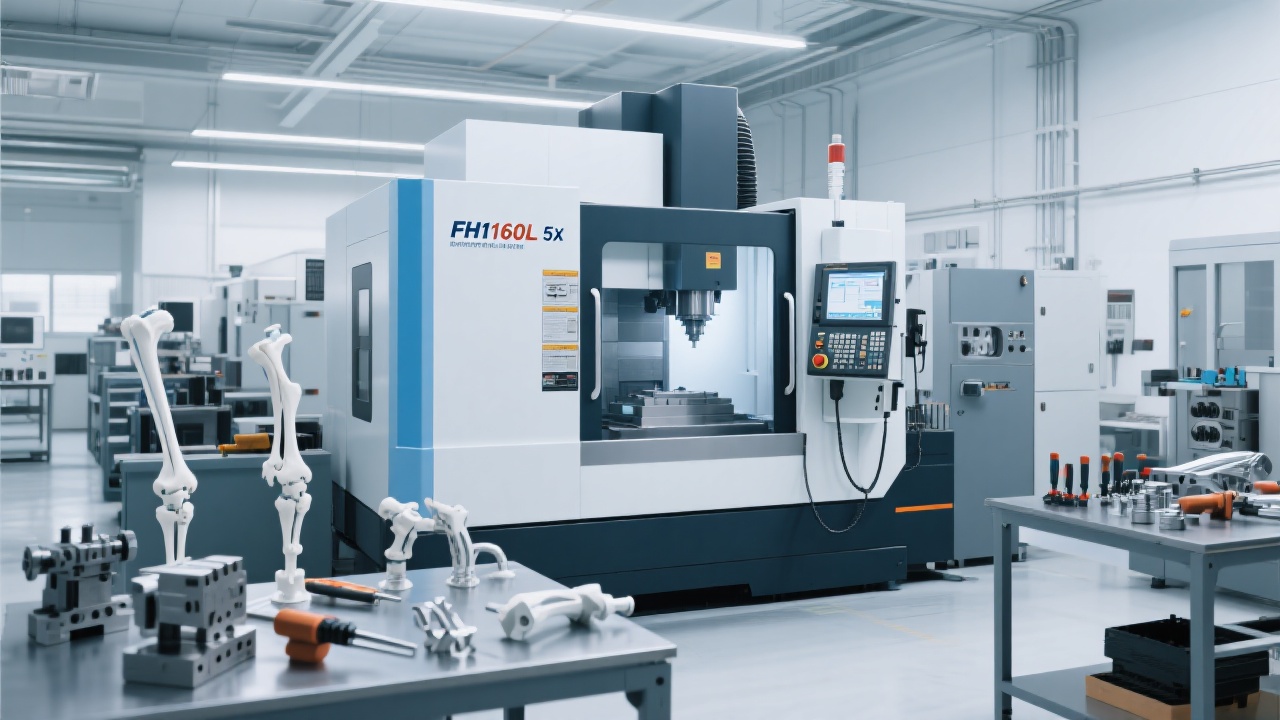
For manufacturers targeting international markets, process standardization is as important as machining capability. Establishing documented workflows for 5-axis operations ensures consistent quality across production runs and operators. Key elements include:
Access our exclusive 5-Axis Machining Parameter Guide with pre-configured settings for mold, impeller, and complex cavity machining. This practical resource includes material-specific cutting data and tool selection charts to help you achieve export-quality results immediately.
Download Your Free Parameter Guide NowWhat has been your experience with 5-axis machining for complex parts? Have you encountered specific challenges in multi-face machining that we haven't addressed? Share your thoughts and questions in the comments below—our technical team reads every comment and responds to technical inquiries within 24 hours.

 153
|
153
|
 5-axis shoe last CNC milling machine
DC6070
Syntec controller
shoe mold manufacturing efficiency
CNC machining technology
5-axis shoe last CNC milling machine
DC6070
Syntec controller
shoe mold manufacturing efficiency
CNC machining technology
 305
|
5-axis CNC shoe last milling machine
DC6070
footwear mould processing equipment
CNC milling technology
high precision shoe last machining
305
|
5-axis CNC shoe last milling machine
DC6070
footwear mould processing equipment
CNC milling technology
high precision shoe last machining
 177
|
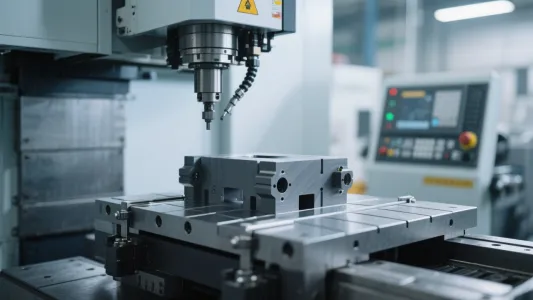
5-axis vertical machining center
multi-face milling
positioning accuracy
thermal deformation compensation
CNC parameter tuning
177
|
5-axis vertical machining center
multi-face milling
positioning accuracy
thermal deformation compensation
CNC parameter tuning
 454
|
5-axis shoe mold milling machine
DC6060A
shoe sole mold manufacturing
high-precision CNC machining
shoe mold processing technology
454
|
5-axis shoe mold milling machine
DC6060A
shoe sole mold manufacturing
high-precision CNC machining
shoe mold processing technology
 114
|
5-axis CNC milling machine
shoe last CNC milling machine
shoe mold machining efficiency
DC6060A CNC milling machine
Kaibo CNC
114
|
5-axis CNC milling machine
shoe last CNC milling machine
shoe mold machining efficiency
DC6060A CNC milling machine
Kaibo CNC