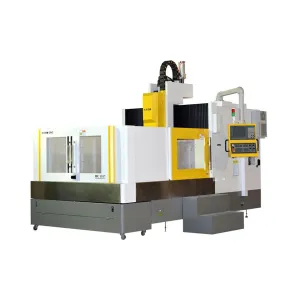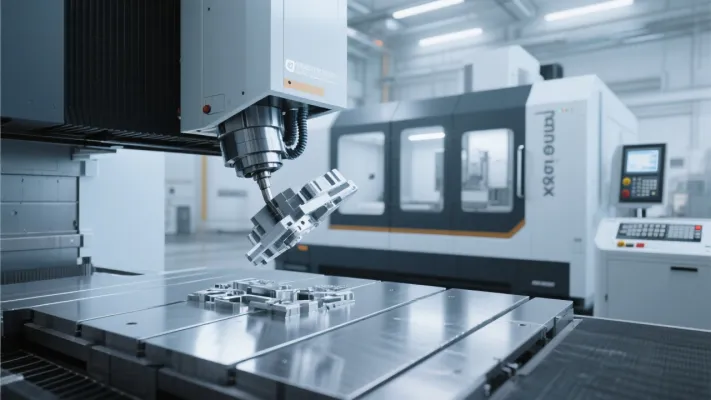
In the competitive landscape of modern manufacturing, precision and efficiency are no longer optional—they're essential. For companies looking to expand their global reach, especially in sectors like aerospace and mold manufacturing, the right equipment can make all the difference. Today, we explore a critical component that's transforming production capabilities: the tilted worktable on 5-axis vertical machining centers, and how Kaibo CNC is leading this technological advancement.
Manufacturers worldwide face a common challenge: how to reduce setup times while maintaining, or even improving, machining precision. Traditional 3-axis machines require multiple setups for complex parts, introducing errors and consuming valuable production time. This is where the innovation of tilted worktables in 5-axis vertical machining centers becomes a game-changer.
According to manufacturing efficiency studies, setup changes account for up to 25% of total production time in conventional machining operations. Each additional setup increases the risk of positioning errors by approximately 0.012mm, which can be catastrophic in precision-critical industries like aerospace components manufacturing.
The tilted worktable isn't just an add-on feature—it's a fundamental rethinking of machining geometry. By allowing rotation around two additional axes (typically A and C axes), these advanced worktables enable:
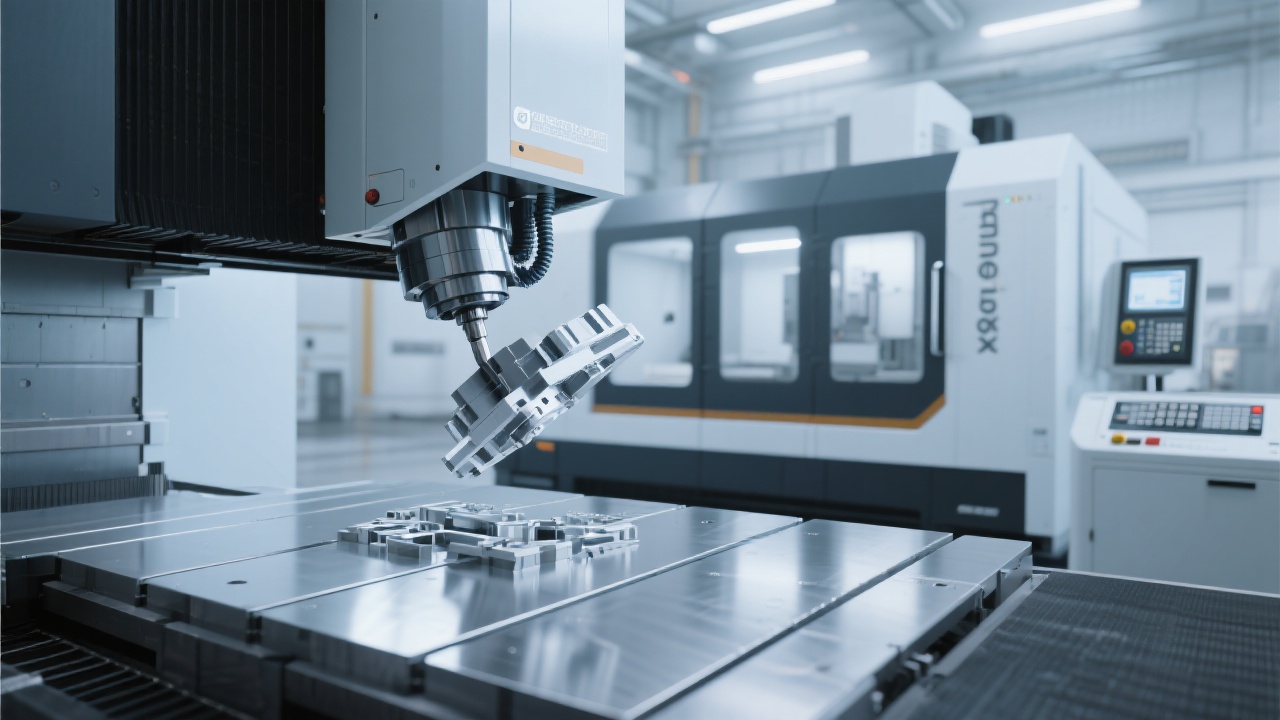
The precision advantages of tilted worktables stem from their exceptional positioning repeatability, typically achieving ±0.001mm per 360° rotation. This level of accuracy directly addresses the two primary sources of manufacturing errors:
Traditional multiple setups create cumulative positioning errors. With a tilted worktable, parts maintain consistent coordinate relationships throughout the machining process.
Repeated clamping and unclamping can cause subtle workpiece deformation. Single-setup machining eliminates this variable entirely.
When machining complex contours—such as turbine blades, impellers, or precision molds—the tilted worktable provides a critical advantage: maintaining optimal tool contact angles. This results in:
| Performance Metric | Traditional Fixed Table | Tilted Worktable | Improvement |
|---|---|---|---|
| Surface Finish (Ra) | 1.6-3.2 μm | 0.4-0.8 μm | 75-80% |
| Tool Life | Base Line | 1.5-2x Longer | 50-100% |
| Cycle Time | Base Line | 30-45% Faster | 30-45% |
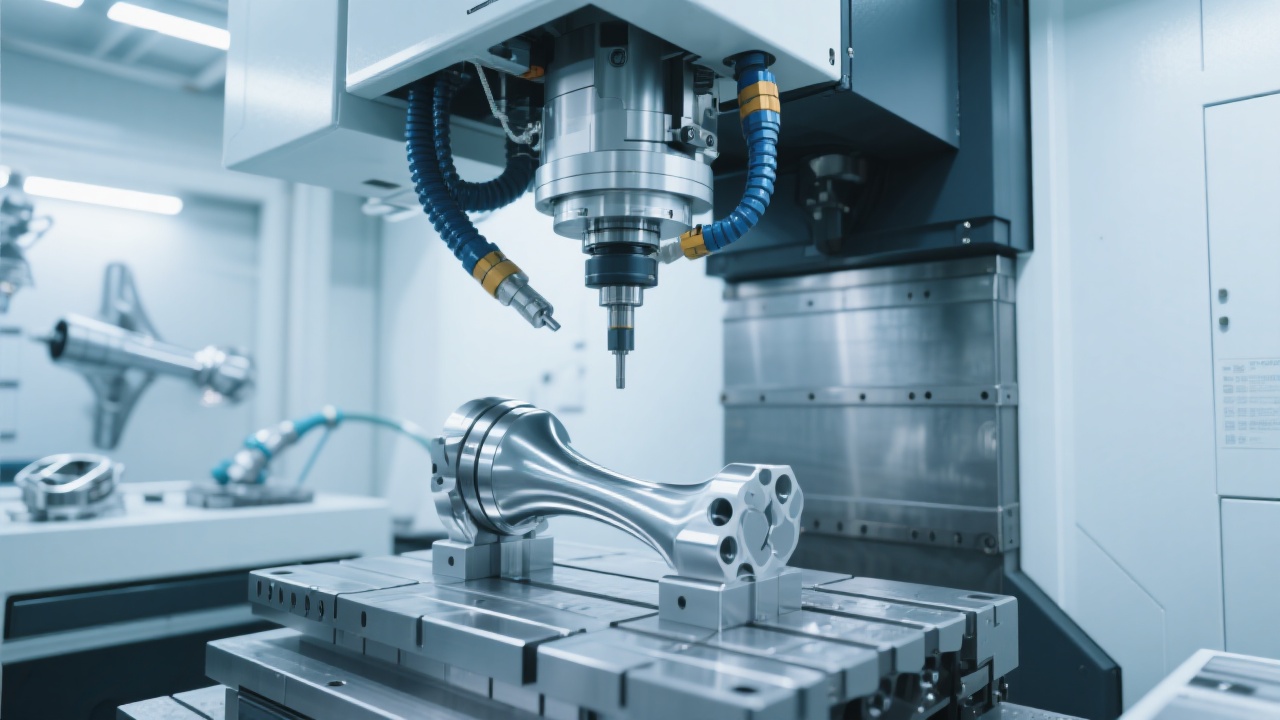
The theoretical advantages translate to tangible business results across industries. In aerospace component manufacturing, a leading Tier 1 supplier implemented Kaibo CNC's 5-axis vertical machining center with tilted worktable and reported:
"We reduced our production time for complex bracket assemblies by 42% after implementing the tilted worktable solution. The elimination of secondary setups not only improved our throughput but also reduced our scrap rate from 3.2% to 0.8%." — Manufacturing Engineering Manager, Leading Aerospace Supplier
Similarly, in precision mold manufacturing, a medical device component producer saw dramatic improvements in both production efficiency and part quality:
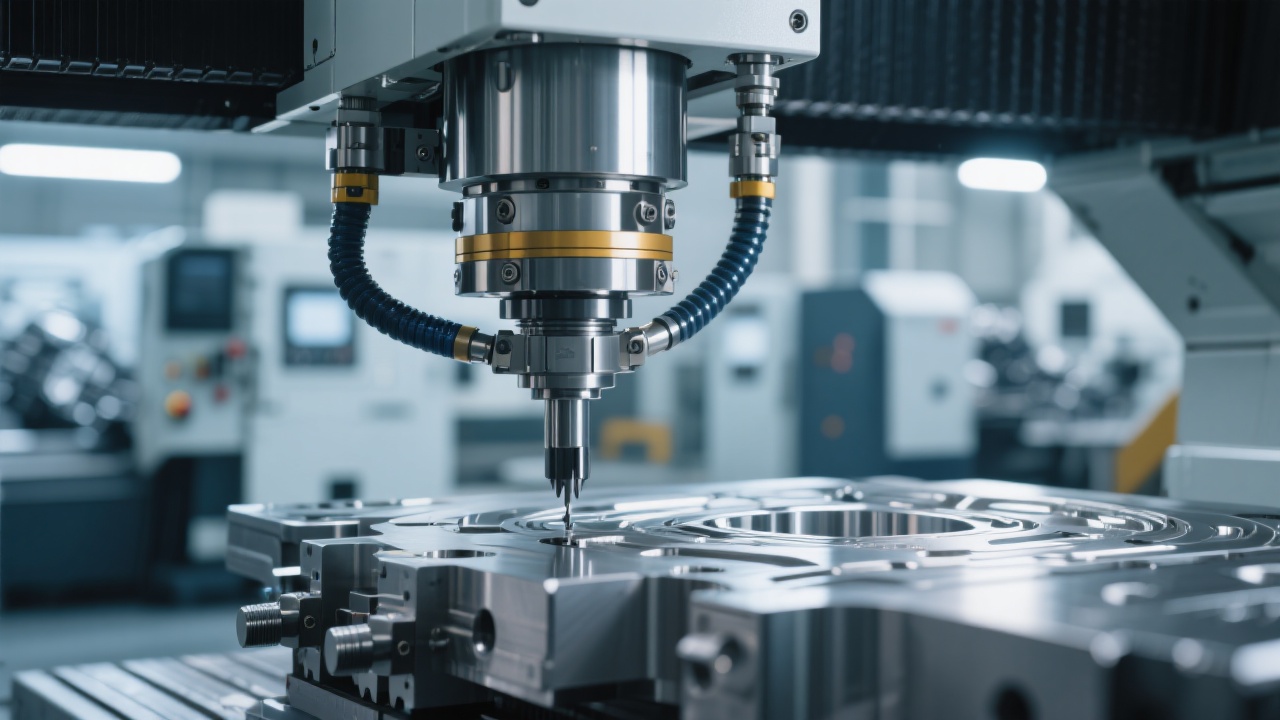
Kaibo CNC has established itself as an innovator in 5-axis machining solutions by focusing on three critical areas that matter most to manufacturers:
Kaibo CNC's tilted worktables feature proprietary backlash compensation technology, ensuring sustained precision even after thousands of operating hours.
Seamless compatibility with leading CAM software packages ensures manufacturers can maximize the benefits of 5-axis machining without workflow disruptions.
With technical centers across major manufacturing regions, Kaibo CNC provides responsive service to keep your production running at peak efficiency.
Discover how Kaibo CNC's 5-axis vertical machining centers with advanced tilted worktables can reduce your production time while improving precision and part quality.
Explore Kaibo CNC Tilted Worktable SolutionsAs manufacturers face increasing pressure to deliver complex components with shorter lead times and higher precision requirements, the tilted worktable has emerged as a critical technological advantage. By consolidating operations, eliminating setup errors, and optimizing tool paths, this innovation is not just improving manufacturing processes—it's transforming business outcomes for companies willing to embrace advanced machining technology.

 41
|
41
|
 DC6060A shoe sole mold milling machine
shoe mold processing efficiency
rotary table milling machine
CNC milling machine
processing time reduction
DC6060A shoe sole mold milling machine
shoe mold processing efficiency
rotary table milling machine
CNC milling machine
processing time reduction
 173
|
five-axis shoe last CNC milling machine
shoe mold precision machining
rotary worktable
shoe mold automation
CNC shoe mold solutions
266
|
5-axis shoe last CNC milling machine
DC6060A CNC milling machine
shoemold processing equipment
Kaibo CNC
shoe last machining efficiency
173
|
five-axis shoe last CNC milling machine
shoe mold precision machining
rotary worktable
shoe mold automation
CNC shoe mold solutions
266
|
5-axis shoe last CNC milling machine
DC6060A CNC milling machine
shoemold processing equipment
Kaibo CNC
shoe last machining efficiency
 454
|
5-axis shoe mold milling machine
DC6060A
shoe sole mold manufacturing
high-precision CNC machining
shoe mold processing technology
454
|
5-axis shoe mold milling machine
DC6060A
shoe sole mold manufacturing
high-precision CNC machining
shoe mold processing technology
 388
|
5-axis CNC milling machine
shoemold manufacturing equipment
DC6070 CNC machine
shoemold processing efficiency
high precision shoe last milling
388
|
5-axis CNC milling machine
shoemold manufacturing equipment
DC6070 CNC machine
shoemold processing efficiency
high precision shoe last milling