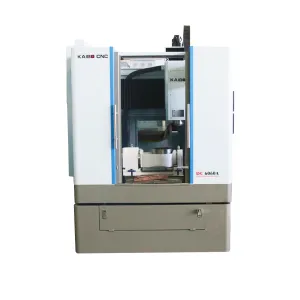
Selecting the right vertical machining center is a critical decision that directly impacts your manufacturing efficiency, product quality, and return on investment. With over 30 years of experience in developing precision CNC machinery, Ningbo Kaibo CNC Machinery understands the complexities manufacturers face when choosing between 3-axis, 4-axis, and 5-axis configurations. This guide provides a systematic approach to help technical professionals and procurement teams evaluate key factors and make informed decisions aligned with production requirements.
The foundation of vertical machining center selection lies in understanding your workpiece characteristics. Simple prismatic parts with flat surfaces and 2.5D features typically require basic 3-axis capabilities, while complex components with undercuts, angular features, or multi-sided machining needs demand higher axis configurations.
Expert Insight: "Manufacturers should consider not only current production requirements but also future product development plans when evaluating axis configurations," advises the engineering team at Ningbo Kaibo CNC Machinery, a leading developer of vertical machining centers since 1994.
Your specific machining processes significantly influence the optimal vertical machining center configuration. Consider factors such as required cutting operations, tool access angles, setup complexity, and the need for continuous machining without repositioning.
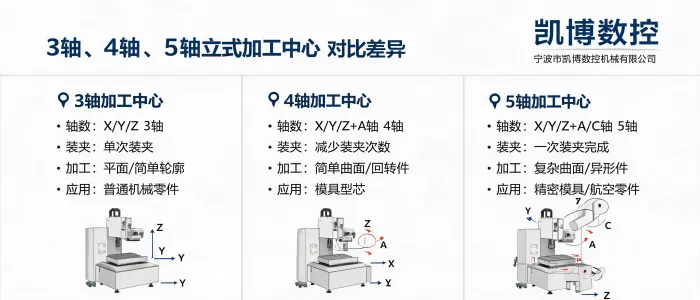
Each axis configuration offers distinct advantages and limitations. Understanding these differences is crucial for aligning your equipment investment with production goals.
| Configuration | Typical Applications | Advantages | Considerations |
|---|---|---|---|
| 3-Axis | Simple parts, flat surfaces, drilling, milling | Lower cost, simpler programming, higher rigidity | Limited to 2.5D machining, multiple setups needed for complex parts |
| 4-Axis | Cylindrical parts, indexing operations, multi-sided features | Reduced setups, improved accuracy, increased productivity | Higher initial investment, requires more programming expertise |
| 5-Axis | Complex geometries, aerospace components, medical parts | Complete part machining in one setup, superior surface finish, reduced lead times | Highest investment cost, requires advanced programming and operator skills |
The precision capabilities of vertical machining centers vary significantly across configurations and manufacturers. As a national standard setter for CNC engraving and milling machines, Ningbo Kaibo CNC Machinery recommends establishing clear precision benchmarks before beginning the selection process.
Machine tool stability directly impacts long-term performance and maintenance costs. Key indicators include structural design, material quality, component selection, and manufacturing precision. As a manufacturer with 52,000+ square meters of standard production facilities, Ningbo Kaibo CNC Machinery emphasizes the importance of robust construction for consistent performance.
Comprehensive after-sales support is essential for maximizing your vertical machining center investment. Consider:
The ideal vertical machining center balances your current production needs with future growth potential while providing the best return on investment. By systematically evaluating workpiece complexity, processing requirements, axis configurations, precision needs, and support services, you can select equipment that aligns with your manufacturing goals.
As a Zhejiang Famous Brand with decades of experience, Ningbo Kaibo CNC Machinery offers a comprehensive range of 3-axis, 4-axis, and 5-axis vertical machining centers designed to meet diverse manufacturing requirements. Our technical team is available to provide personalized guidance and help you select the optimal solution for your specific application.
 278
|
278
|
 3-axis machining center
4-axis machining center
5-axis machining center
multi-axis machining
Ningbo Kaibo CNC Machinery Co., Ltd.
3-axis machining center
4-axis machining center
5-axis machining center
multi-axis machining
Ningbo Kaibo CNC Machinery Co., Ltd.
 347
|
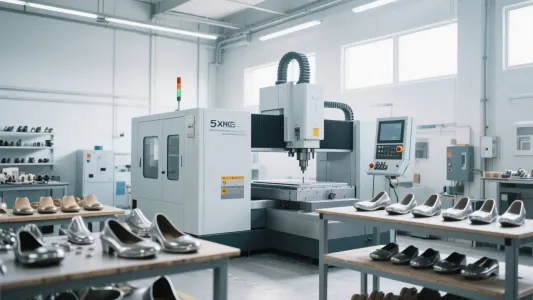
5-axis shoe last CNC milling machine
shoe mold CNC milling machine
DC6070 shoe last machine
shoe mold processing equipment
Kaibo CNC
347
|
5-axis shoe last CNC milling machine
shoe mold CNC milling machine
DC6070 shoe last machine
shoe mold processing equipment
Kaibo CNC
 472
|
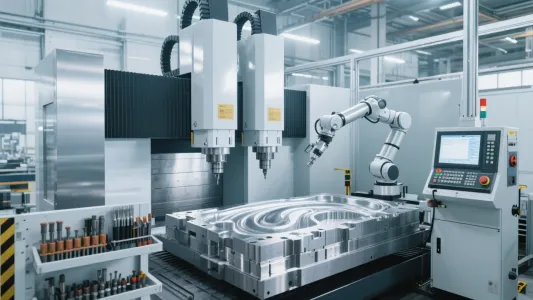
high-speed CNC milling machine
GJ1317
aerospace mold machining
double-column vertical machining center
high precision machining
472
|
high-speed CNC milling machine
GJ1317
aerospace mold machining
double-column vertical machining center
high precision machining
 283
|
CNC engraving and milling machine
concept explanation
mold processing
precision manufacturing
Ningbo Kaibo CNC Machinery Co., Ltd.
283
|
CNC engraving and milling machine
concept explanation
mold processing
precision manufacturing
Ningbo Kaibo CNC Machinery Co., Ltd.
 268
|
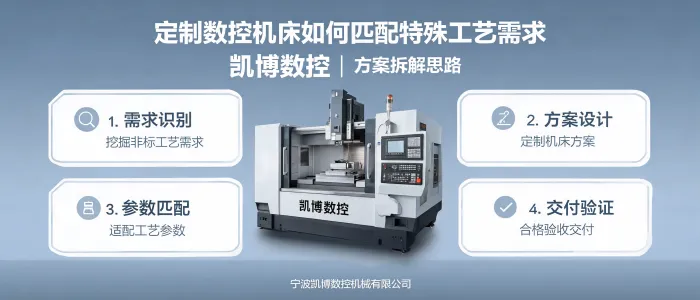
custom CNC machines
non-standard processes
solution design
delivery verification
Ningbo Kaibo CNC Machinery Co., Ltd.
268
|
custom CNC machines
non-standard processes
solution design
delivery verification
Ningbo Kaibo CNC Machinery Co., Ltd.